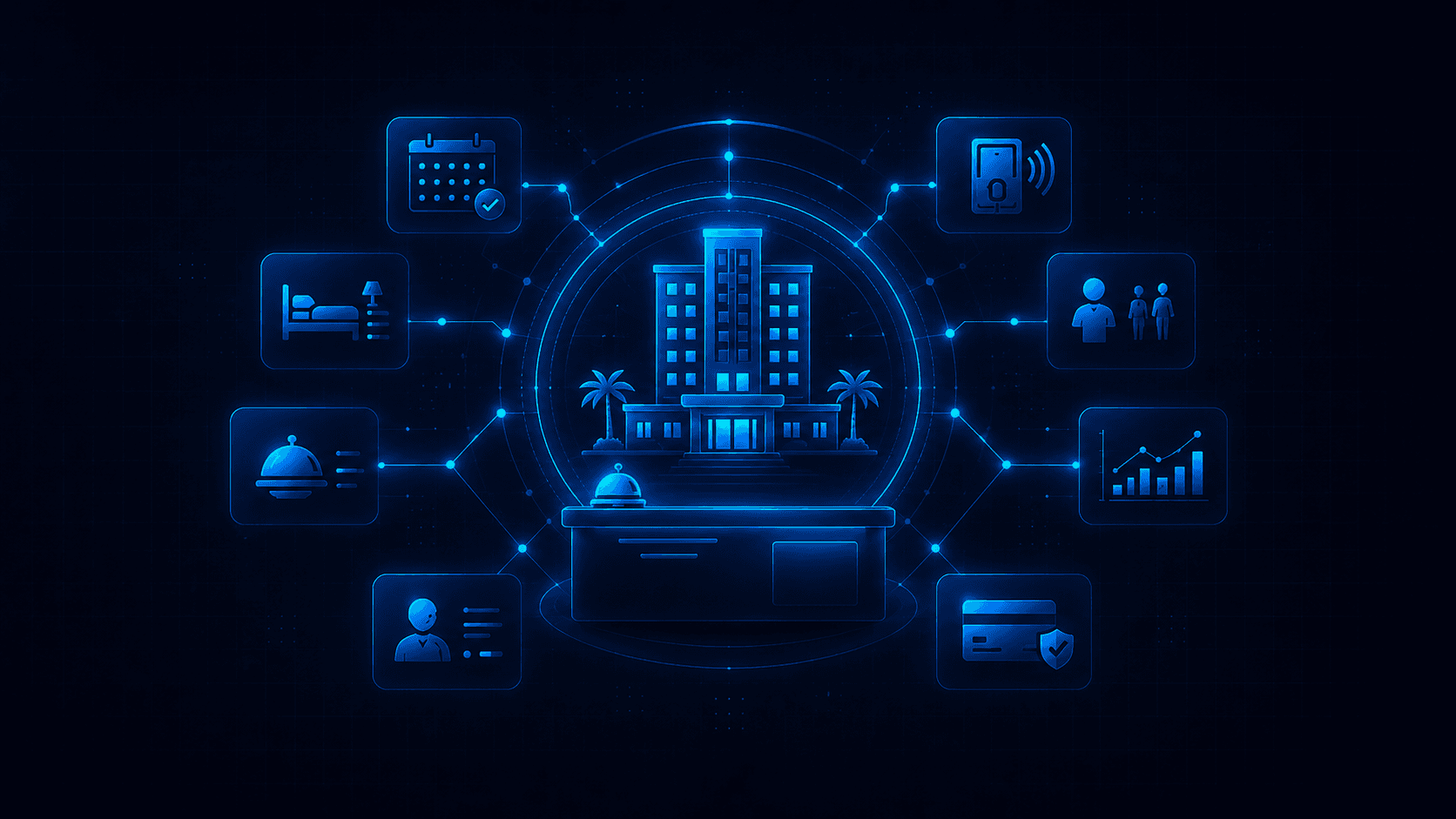
Run a quick calculation: if your property generates €300,000 a year through portals and the average commission is 18%, you're handing €54,000 a year to Booking and Expedia. Every year. That's more than a full-time employee's salary.
Working with hotels and accommodation businesses we keep seeing the same pattern: OTAs are adopted "to fill rooms", and ten years later 80% of bookings still flow through them. Not because it's convenient — but because nobody ever built the alternative.
What "disintermediation" actually means
Let's clear up a misunderstanding right away: disintermediation does not mean leaving Booking. Portals bring visibility you couldn't achieve alone, especially in foreign markets. It means progressively shifting your direct booking share from the typical 10–20% towards 40–50%, using OTAs to get found and your website to get booked.
There's also an unexpected ally: the Billboard Effect. A share of users who discover you on Booking then searches for your official website to learn more. If that website doesn't convince them — or worse, doesn't let them book — they go back to the portal and you pay commission on a customer you had already won.
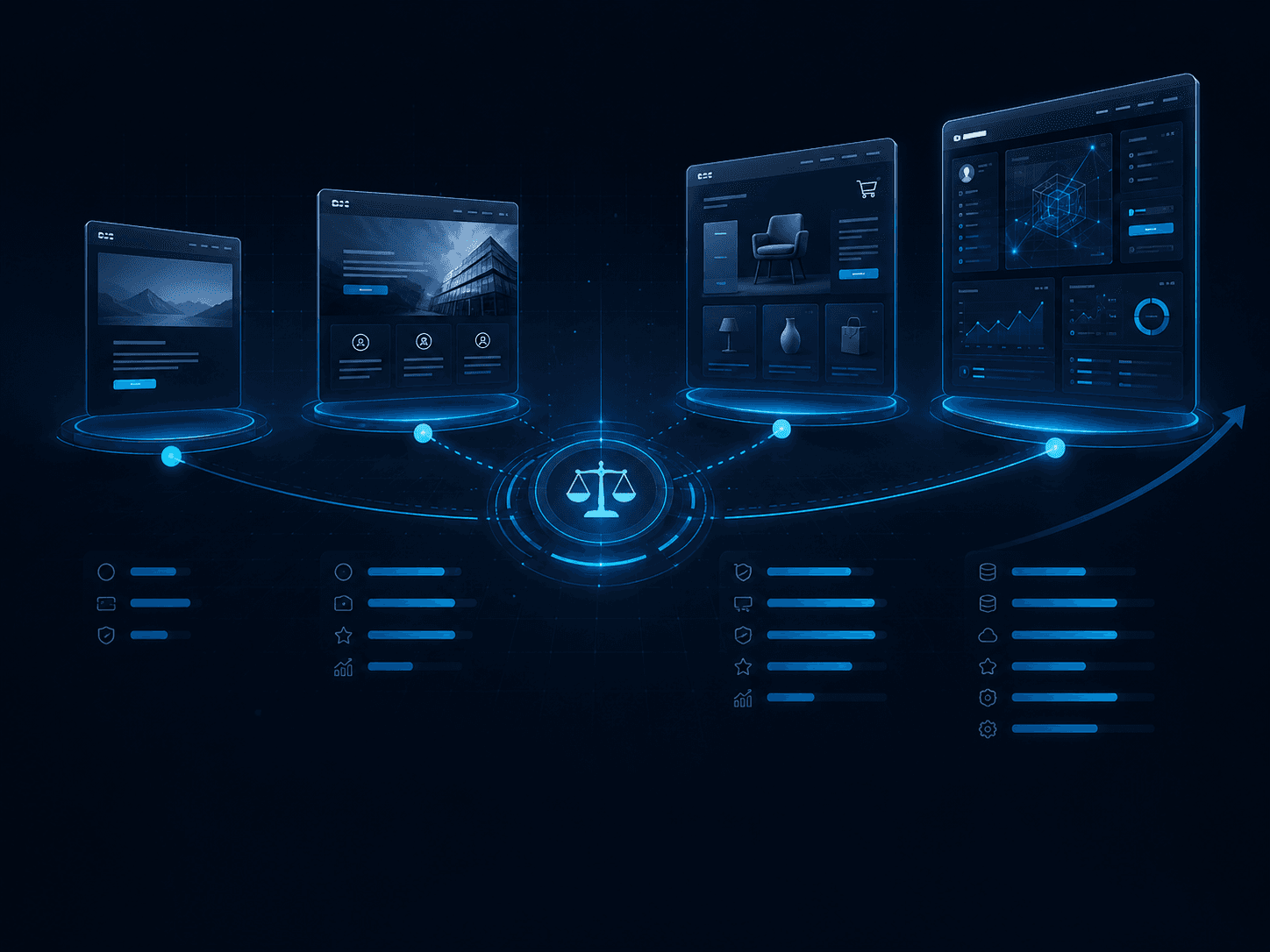
The 5 steps, in priority order
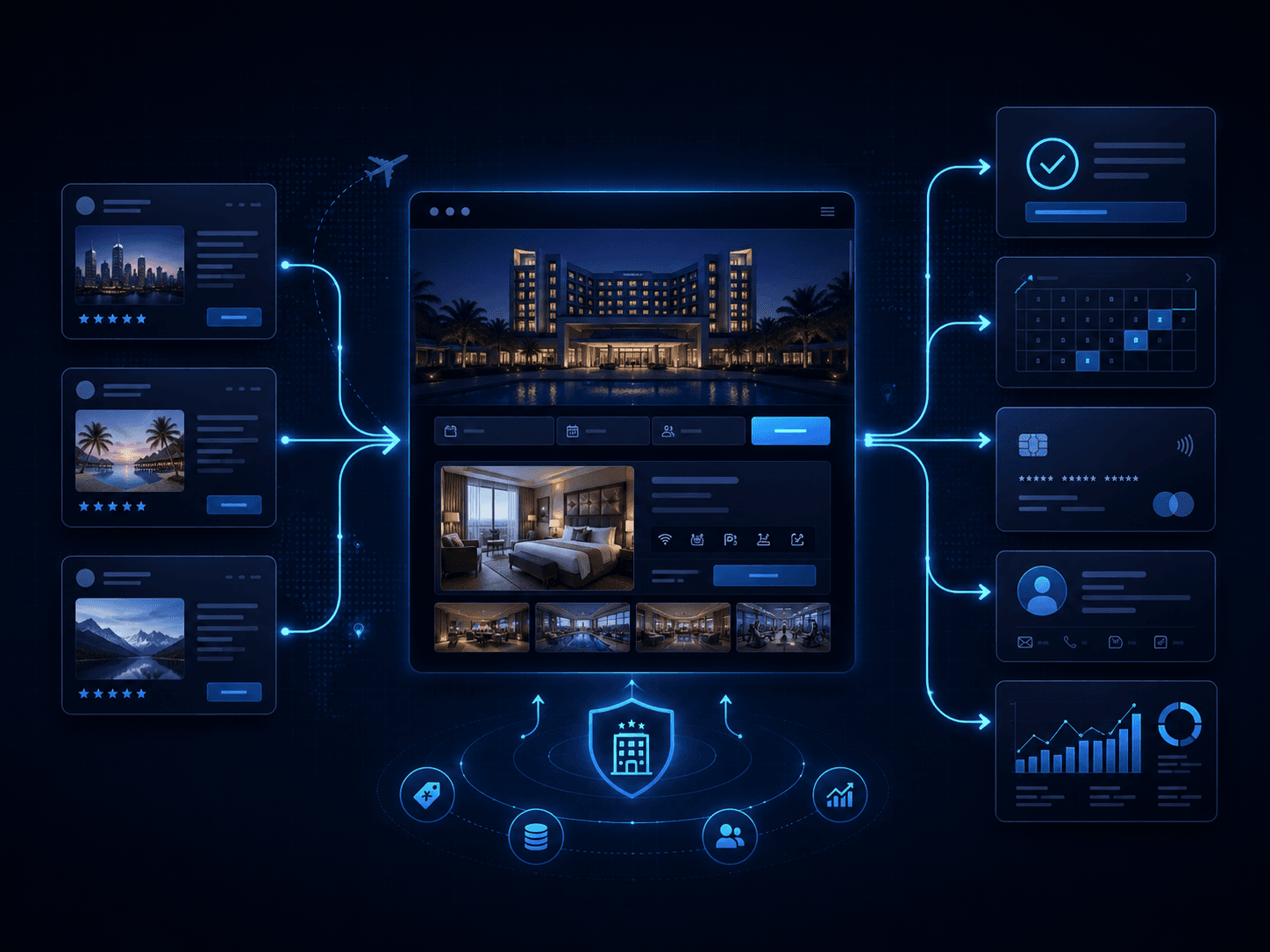
1. A real booking engine on your website
The minimum requirement in 2026: a booking that can be completed in 3 steps maximum, on a smartphone, with one hand. If your "book now" opens an enquiry form, you don't have a booking engine: you have a contact form in disguise.
2. Smart parity: your website must win
At equal prices (required by OTA contracts), your direct channel must offer something the portal can't:
- Breakfast or late check-out included for direct bookers